
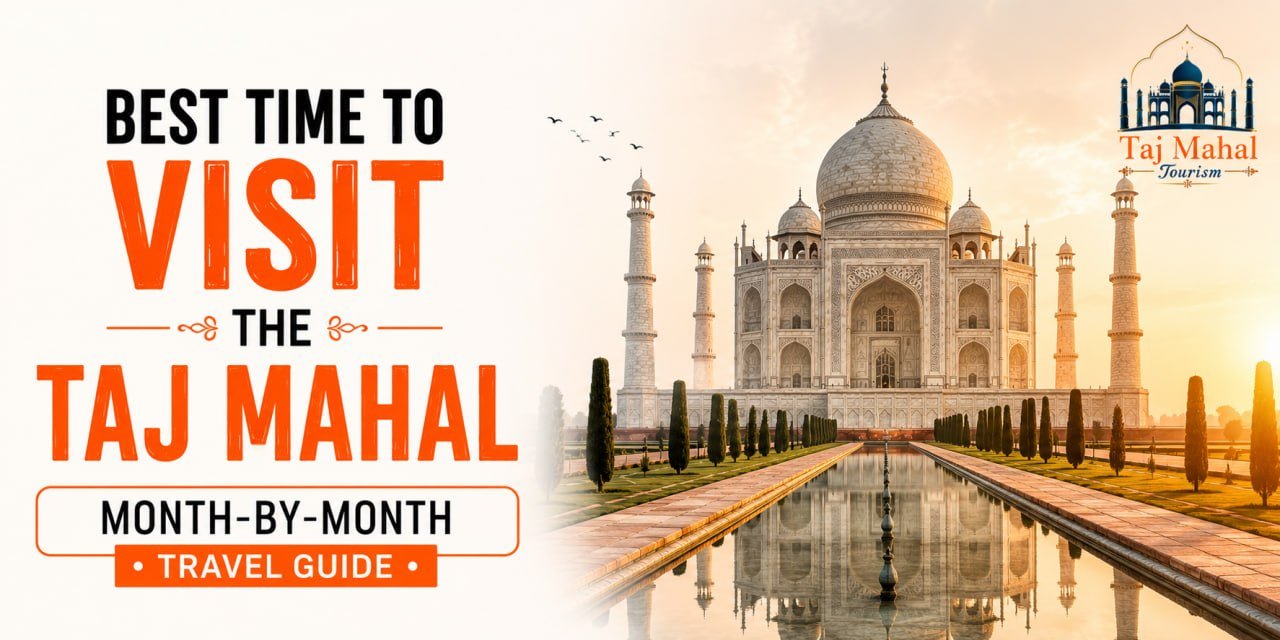
Ask ten people when to visit the Taj Mahal and you will likely get ten different answers, mostly based on guesses rather than actual experience on the ground. The truth is, timing genuinely changes what you see, from golden light bouncing off white marble in winter to sweat-soaked shirts and hazy skies in peak summer. If you are planning this trip, here is what each month actually looks like so you are not caught off guard.
October to March: The Sweet Spot
This stretch is widely considered the Best Time to Visit Taj Mahal, and for good reason. Temperatures hover between a pleasant 8 and 25 degrees Celsius, skies stay mostly clear, and early morning visits reward you with soft light and thin mist rolling off the Yamuna. December and January bring genuinely cold mornings, so pack a jacket if you are heading out before sunrise. February and March warm up gradually, making them arguably the most comfortable months of the entire year for wandering the gardens without rushing.
April to June: Beautiful but Brutal
Summer in Agra does not mess around. Temperatures regularly climb past 40 degrees Celsius, and by mid-morning the marble itself gets uncomfortably hot underfoot. That said, sunrise visits during these months have their own appeal, fewer crowds, dramatic orange skies, and a strange stillness before the heat sets in. If you can only travel during summer, aim for the first hour after opening and carry more water than you think you need.
July to September: Monsoon Magic, With Caveats
Monsoon season transforms Agra into something almost unrecognisable, lush greenery surrounding the monument, dramatic cloud cover, and occasional rain that makes for stunning photography. Humidity stays high though, and sudden downpours can disrupt outdoor plans without warning. Crowds thin out considerably during these months, which appeals to travellers who prefer quieter visits over perfect weather.
Time of Day Matters as Much as Season
Regardless of which month you choose, sunrise remains the most rewarding time to enter the complex. The marble shifts through soft pink, orange, and finally blinding white as the sun climbs, and the crowds simply are not there yet. Sunset offers a different kind of beauty, warmer tones and a slower, more relaxed atmosphere, though the complex does close before actual sunset in certain months, so always confirm timings before planning around it.
Special Considerations for Full Moon Viewing
Few travellers know this, but the Taj Mahal opens for night viewing on full moon nights and the two nights before and after, excluding Fridays and Ramzan. Only a limited number of visitors are permitted, and tickets need to be booked in advance through the Archaeological Survey of India. If your travel dates happen to align with this window, it is genuinely worth rearranging your itinerary around it.
Planning Around Festivals and Weekends
Weekends and Indian public holidays bring noticeably heavier footfall, so if solitude matters to you, plan a weekday visit instead. Major festivals like Diwali and Holi also see spikes in domestic tourism, which can mean longer queues even during the otherwise ideal winter months.
Final Thoughts
There is no single universally perfect month, it depends on whether you prioritise comfortable weather, dramatic skies, or thinner crowds. That said, if you are still weighing your options, the Best Time to Visit Taj Mahal for most first-time travellers remains the October through March window, when the weather cooperates and the monument reveals itself in its most photogenic form. Whatever month you choose, arrive early, this monument rewards patience more than any other time-of-day trick ever could.
Booking Your Visit the Right Way
Timing your trip well is only half the job, the other half is not getting stuck in a chaotic ticket line or missing out on a guide who actually knows the history worth knowing. tajmahaltourism.com has been helping travellers plan exactly this kind of visit, sorting entry tickets, sunrise slots, and full-day Agra itineraries so you spend your time actually seeing the monument rather than figuring out logistics. Whether you are coming in for a quick day trip or combining it with a wider Golden Triangle tour, having someone handle the groundwork makes the whole experience noticeably smoother.
© 2017 Garhwal Himalayan Expedition. All rights Reserved. Developed by ehub.